Safeguard Your Home: Critical Services Delivered by Certified Electricians
Certified electricians offer vital services here that strengthen household security. They resolve typical electrical concerns and conduct regular inspections to uncover existing risks. These professionals guarantee that all installations adhere to safety requirements while also advising on enhancements to older systems. Recognizing these critical services can help avert emergencies and safeguard property value. Property owners often question what exact concerns electricians handle and how to choose the best professional for their situation.
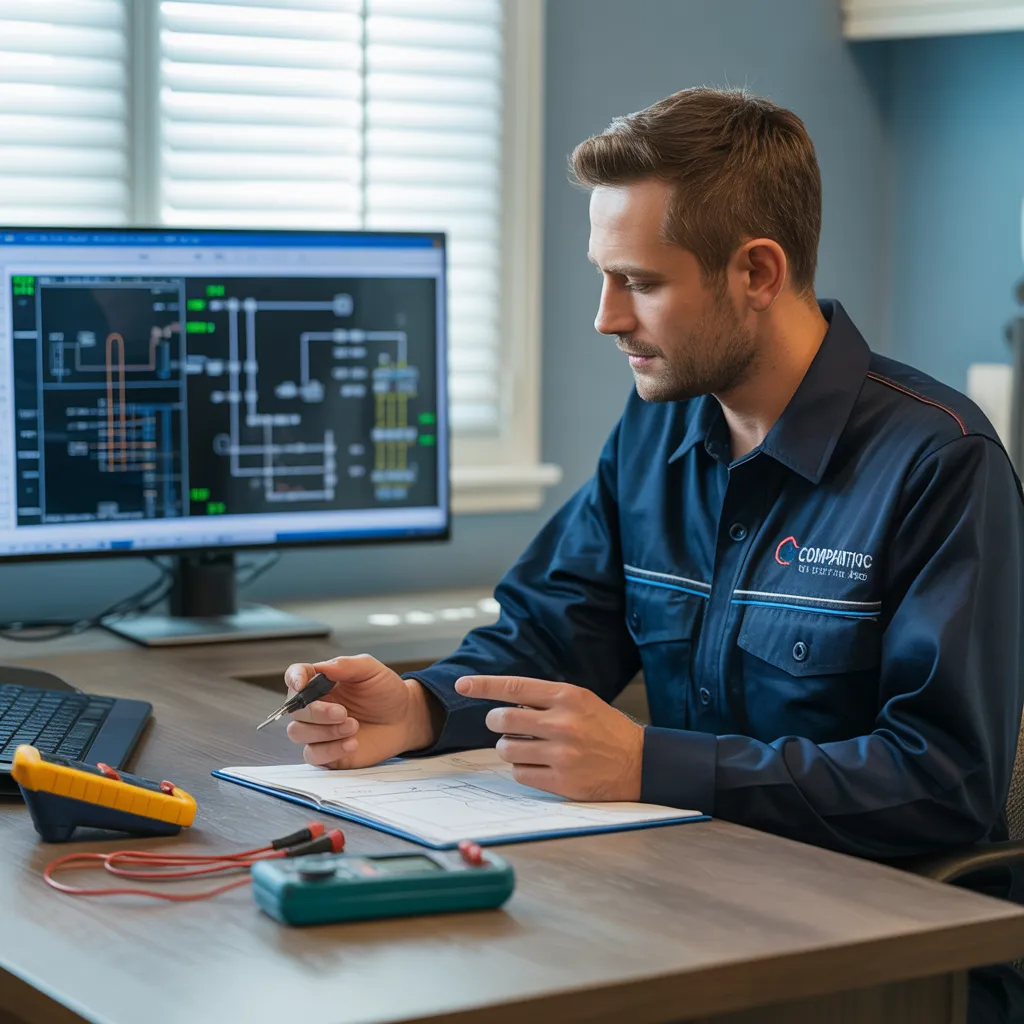
Frequent Electrical Issues and How to Resolve Them
Electrical problems can interfere with everyday routines, making it essential to recognize common problems and their solutions. Intermittent light flickering, as a common example, commonly stem from unsecured bulbs or damaged wiring. Securing loose connections or swapping out bulbs can fix this problem. Circuits carrying excessive loads, identified by repeated breaker trips, can be alleviated by redistributing appliances across different circuits or upgrading the electrical panel.
Another prevalent problem is outlets that fail to work, which might be caused by tripped breakers or deteriorated wiring. Evaluating the breaker and reviewing the outlet can aid in pinpointing the issue. Furthermore, ground fault circuit interrupters (GFCIs) can activate unexpectedly as a result of moisture or defective devices; resetting the GFCI or swapping out faulty devices can bring back full functionality. Identifying these frequent electrical concerns allows homeowners to resolve problems quickly, maintaining security and optimal performance within their residences.
The Significance of Routine Electrical Inspections
While many homeowners tend to underestimate the significance of regular electrical assessments, these inspections are essential for preserving the safety and functionality of every property. Regular inspections identify common dangers including faulty wiring, outdated systems, and overloaded circuits, which can lead to dangerous electrical fires or device malfunctions. By addressing these issues proactively, residents can eliminate unnecessary repair costs and maintain compliance with electrical safety codes.
Furthermore, inspections are instrumental in uncovering energy inefficiencies, allowing for adjustments that can lead to lower utility bills. Professional electricians are equipped to recognize delicate signs of aging and wear that an untrained eye might miss. Furthermore, regular inspections frequently extend the lifespan of home electrical systems and connected appliances, supporting the long-term value of the home. In the end, scheduling consistent electrical inspections serves as a critical step in preserving those living in the home as well as the home's long-term integrity.
How Inspections Lead to Safe Installations
Regular electrical inspections play a pivotal role in ensuring that installations are carried out safely and effectively. Such inspections enable certified electricians to assess current wiring, outlets, and fixtures, uncovering potential risks or code violations prior to new installations starting. By reviewing the overall condition of the electrical system, electricians are able to resolve problems such as obsolete wiring or insufficient grounding, which could potentially jeopardize safety.
Additionally, these evaluations create an opportunity to ensure that all components meet current safety standards. This proactive measure not only enhances the safety of the installation process but also protects homeowners from future electrical failures or hazards. Qualified electricians draw on their experience to propose necessary enhancements or alterations, guaranteeing that all installations conform to industry best practices. In the end, routine inspections foster a more secure living space, offering homeowners reassurance while lowering the chances of electrical fires or malfunctions in the years ahead.
Improve Your Electrical Panel for Enhanced Safety
Upgrading the electrical panel is a critical step in strengthening residential safety. An outdated panel can pose considerable risks, including damage to appliances and electrical fires. Professional electricians recommend this update to meet current electrical needs and ensure reliable power distribution.
Updated panels feature advanced safety features, such as circuit breakers that promptly interrupt electrical flow during overloads or faults. This reduces the chances of overheating and related dangers. Furthermore, an upgrade frequently enables the addition of more circuits, accommodating the increasing number of electronic devices in households today.
Homeowners might experience flickering lights, frequent circuit breaker trips, or a burning smell, each of which suggests that an electrical upgrade may be required. Reaching out to a certified electrician can help determine if an electrical panel upgrade is appropriate, promoting a safer home environment while addressing the requirements of modern electrical consumption.
How to Respond to an Electrical Emergency
Electrical emergencies can arise unexpectedly, often underscoring the significance of a well-maintained electrical panel. In such situations, immediate action is vital to ensure safety. Initially, individuals should remain calm and assess the situation. If there is a fire or smoke, evacuating the premises and calling emergency services takes precedence. For electric shock incidents, direct contact with the affected person must be avoided and instead use a non-conductive object to separate them from the source of electricity.
In the event of a power outage, inspecting the circuit breaker is a wise measure ahead of calling a licensed electrician. When unusual odors or buzzing sounds emerge from outlets, it is necessary to disconnect appliances and avoid using them until a qualified expert can evaluate the system. In the end, maintaining copyright information for a licensed electrician within reach can support rapid action in emergency circumstances, securing safety and limiting possible damage.
How to Select the Best Licensed Electrician
What steps can someone take to ensure they choose the correct licensed electrician for their situation? First, it is essential to verify the electrician's license and insurance, ensuring compliance with local regulations. Additionally, gathering referrals from friends, family, or online reviews can offer valuable information about the electrician's dependability and standard of work.
Additionally, you should ask about the electrical contractor's qualifications and areas of expertise, as certain contractors prioritize household wiring while others specialize in commercial projects. Requesting a thorough cost breakdown, covering labor and materials, is helpful for comparing costs and avoiding surprises.
Furthermore, considering communication skills is important; a qualified electrician should clearly explain issues and answer questions patiently. Finally, verifying warranties on work performed can reflect a focus on quality. By weighing these considerations, homeowners can make informed decisions, ensuring safety and satisfaction with their hired electrician.
Commonly Asked Questions
What Qualifications Should I Consider When Hiring a Licensed Electrician?
When seeking a certified electrician, one should prioritize key criteria such as appropriate licensing, applicable certifications, extensive experience, favorable customer reviews, and compliance with safety standards, ensuring both competency and reliability in electrical projects.
How Much Do Electrical Services Typically Cost?
Electrical contractor rates usually fall at $50 to $100 per hour, based on the job's complexity and the electrician's level of expertise. Extra charges may be incurred for supplies, permits, or urgent services beyond standard working hours.
Is There a Warranty Provided for Electrical Work?
Numerous certified electrical contractors include service warranties for their completed projects, generally covering both materials and labor for a predetermined timeframe. This assurance secures complete client satisfaction and delivers assurance regarding the quality and longevity of the electrical services completed.
Is It Possible for Me to Handle Electrical Work Myself?
While individuals may attempt electrical work themselves, this is typically not recommended. Certified electricians carry the experience and technical knowledge needed to maintain safety and regulatory compliance, limiting the chances of mishaps and potential safety risks.
How Often Should Electrical Inspections Be Scheduled?
Homeowners should plan electrical inspections every three to five years, or at shorter intervals if experiencing issues. Regular assessments help identify electrical risks, guaranteeing protection and adherence with modern electrical safety standards and codes.